Despite the growing popularity, Raksha Bandhan has its fair share of criticism for promoting a patriarchal mindset. Raksha Bandhan was always a festival celebrated with family and friends. In 2025, Raksha Bandhan came on a Saturday which meant a two day holiday, an opportunity to get away. However people mostly chose to stay and participate. Most of the business establishments remained closed or worked with reduced staff. Vehicular traffic on roads was mostly families moving from one place to another. What could be the reason for a growing popularity. Or is it just renewed interest in a festival like all others.
Raksha Bandhan is a celebration of sibling love but in the modern era it is seen by some people as declaration of the brother as the ‘protector’ of the sister thereby permitting the brother to decide what she does or not. Today we have a woman going out to earn for herself. Does the concept of protection hold good in the era of equality of both genders?
Historic origins of Raksha Bandhan
On the banks of Yamuna river 20 kms away from Prayagraj is the Sujavan Dev Temple. It is believed that Yamraj, the God of Death visited his sister Yamuna at this spot. Overwhelmed by her hospitality, he granted her a boon. Any person who bathes in the waters of Yamuna during Bhai Dooj will be granted a place in heaven.
Once while activating his weapon, the Sudarshan Chakra, Krishna accidently cuts himself. Draupadi who happens to be nearby immediately tears off a piece of her clothing and ties up the wound in the form of a bandage. Krishna that day makes a promise that he will repay the gesture, no matter how insignificant it appeared at that time.
In both the instances, the ‘raksha’ part of the bond was never asked for by the woman in the first place. Yamuna is the daughter of the sun God, Surya and she is the wife of Krishna while Draupadi is married to five warriors out of which Arjun was considered to be the greatest warrior of his times. Both these women had nothing to fear and were already under considerable protection.
Interpretation of Raksha Bandhan
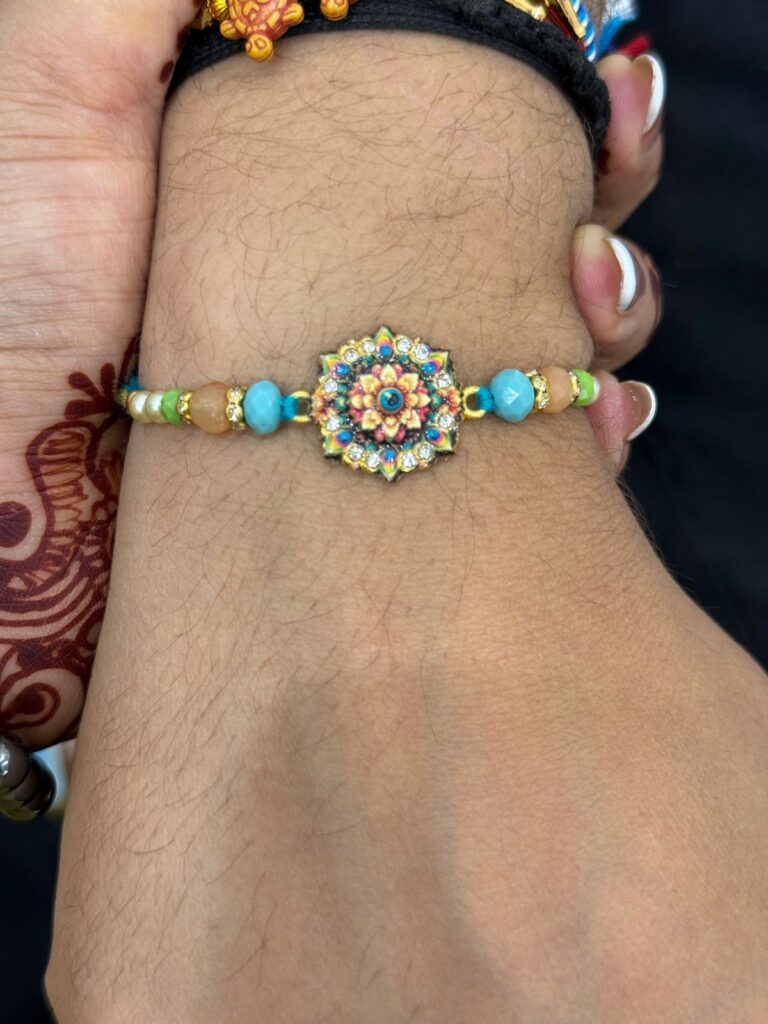
Originally a Sanskrit word, Raksha means protection and Bandhan is a bond. This over simplified translation which might result in a misinterpretation. A protective bond automatically brings in the idea of taking care or looking after. It puts a responsibility on the brother(s) to keep a watch on the sister(s) for every perceived danger. This is what some critics are worried about, an old ritual bringing in patriarchal values.
However, Raksha Bandhan can also be interpreted as a bond of love and friendship. A promise to care and listen. It can also be thought of an annual contract of support. A sister praying for prosperity of her brother while the brother promises to take care of her well being.
There are reasons why the humble thread has stood the test of time and evolved to what it signifies today.
Social reforms change the nature of a festival
Almost all the festivals and rituals have changed over a period of time. A tradition is a ritual that has been handed over from generation to generation. A thread on the wrist in general is again an ancient ritual. Priests at the end of a religious ceremony tie the sacred thread on the wrist of the people involved in the puja. This thread is a red and yellow combination and is called the Raksha Sutra. Raksha Bandhan is variation of this puja specifically done between siblings. The puja is the actual ritual where the sister prays for the well being of her brother. Over a period of time the activity of tying of thread gained more prominence than the puja itself. It also changed the interpretation from care and well being to protection.
Who is the superior power
A woman observes a fast for her husband while still asking a brother for his protection. This sounds contradictory. However, once you remove the protector angle, things get much clearer. In our religious texts, women have always been considered as the superior souls. Raksha Bandhan is actually a puja performed by the sister as an eternal blessing for her brother. A renewal of the life long sibling bond forged during the days of innocence.
Going beyond sibling relationship
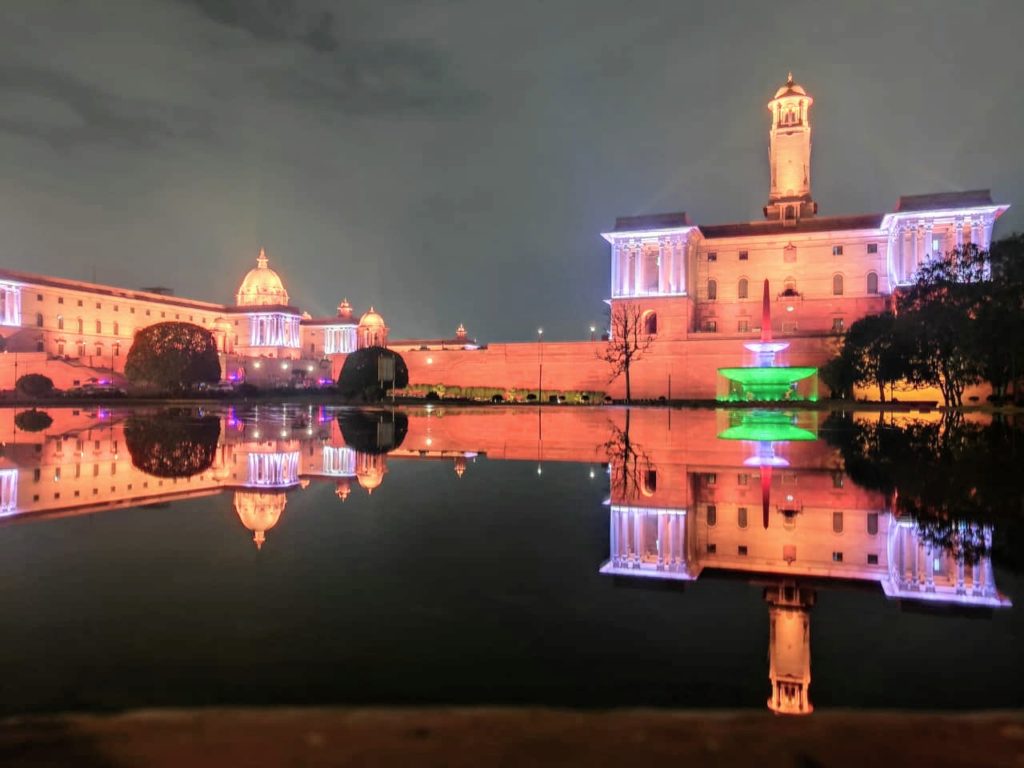
On 23rd Aug 1953, the first president of India, Dr Rajendra Prasad celebrated Raksha Bandhan with a group of women at Rashtrapati Bhavan, a tradition continued till today. Women tie Rakhi to soldiers sometimes sending them by post to the borders. Raksha Bandhan is celebrated within the community or between office colleagues and neighbors to promote good will. Raksha Bandhan is a big cultural event in schools where students participate in various activities.
The wide acceptance of Rakhi has moved beyond a celebration of sibling love.
A family function
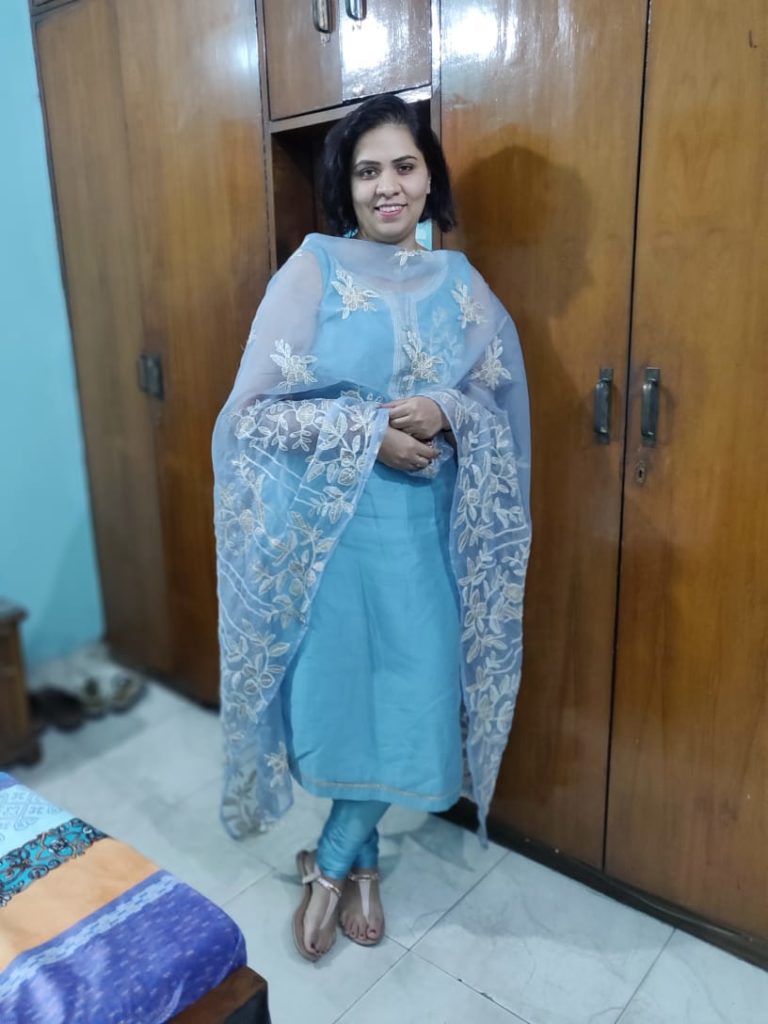
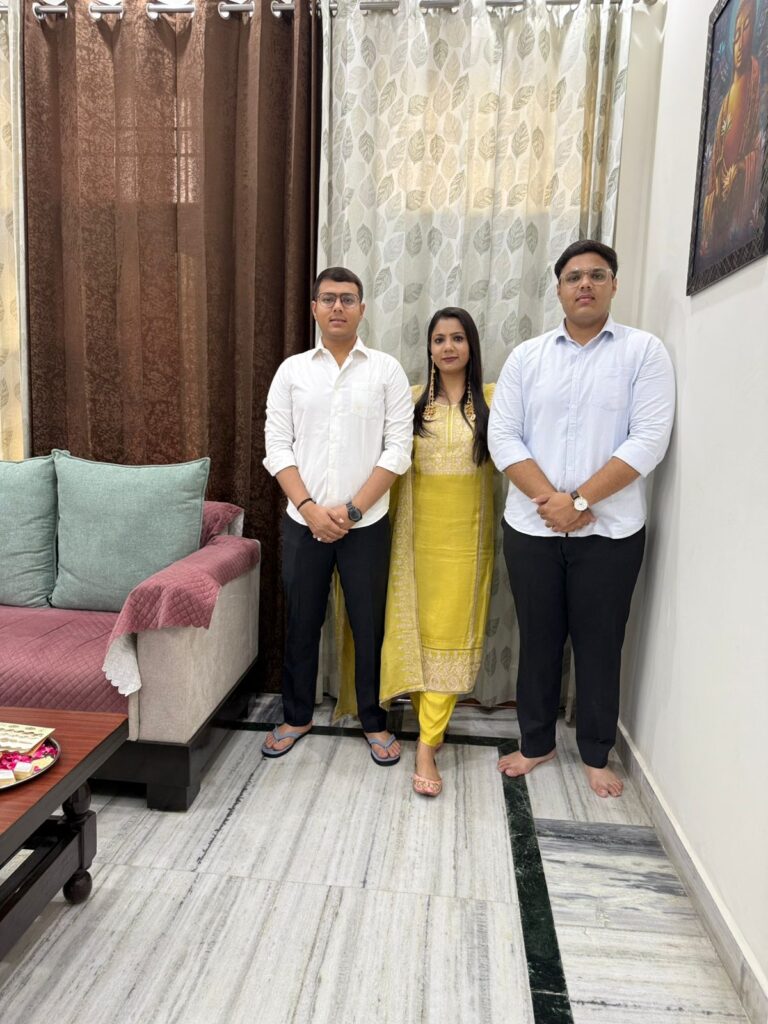
We are in the digital age where increasing screen time is worrying everyone. One of the reason why festivals like Raksha Bandhan are gathering importance is the opportunity they provide for a great family time. Brothers and sisters travel far distance for this one special day, many times along with their own families too. Just like any other ceremony, this one too begin with putting on new clothes to look our most beautiful.
Conclusion
Raksha Bandhan is an example of a refined ritual without any change in the basic character. It is a mark on the calendar which is awaited by both brothers and sisters alike. There might be some matters of interpretation but if we measure up this festival in terms of love and understanding, we realize that this event is celebration of that kind of friendship which grows on you despite the added years and distance.

I am Manisha Yadav, Founder and Ideologue of Narisakti. MBA Student and Digital Marketing expert, I take your brand online and help you reach more customers.